
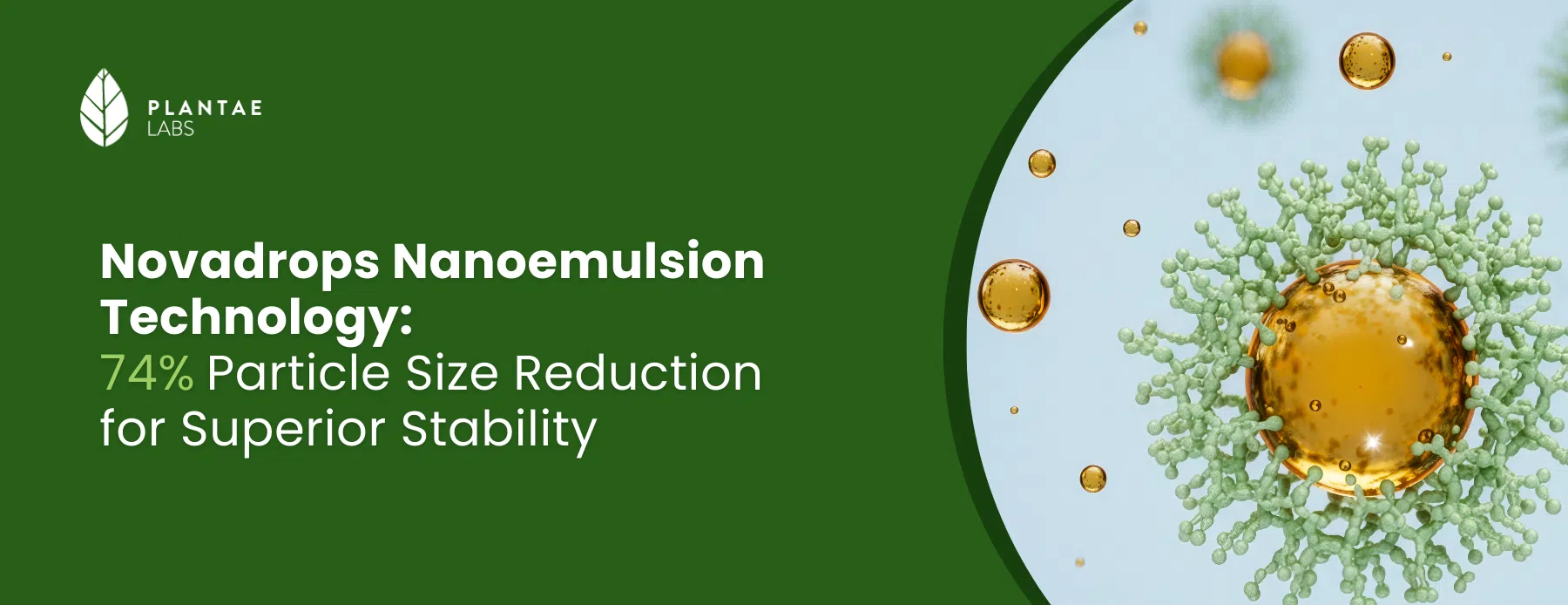
Novadrops nanoemulsion technology enables process-engineered stabilization of oil-in-water emulsions through controlled droplet architecture and high-pressure homogenization.
In a controlled technical evaluation conducted by Plantae Labs (August 8, 2025), emulsions with identical formulations but different processing workflows produced significantly different physicochemical outcomes.
The findings demonstrate that emulsion stability is process-dependent, not formulation-dependent alone.
Table of Contents
- Frequently Asked Questions
- Why Most Emulsions Fail Over Time
- How Processing Conditions Redefine Emulsion Architecture
- Measured Impact: 74% Reduction in Particle Size
- Stress Testing Under Thermal and Centrifugal Conditions
- Why High-Pressure Homogenization Changes the Outcome
- The Role of Quillaja-Derived Interfacial Stabilization
- What These Findings Mean for Process Control
Why Most Emulsions Fail Over Time
Many oil-in-water emulsions appear stable immediately after production. Instability typically emerges later due to:
- Droplet coalescence
- Broad particle size distribution
- High polydispersity index (PDI)
- Insufficient interfacial coverage
Reducing surface tension alone does not guarantee long-term stability. Droplet architecture determines performance.
How Processing Conditions Redefine Emulsion Architecture
To evaluate the impact of processing, two 10 L emulsions with identical compositions were prepared using different workflows:
Workflow A
High-shear mixing only
Workflow B
High-shear mixing followed by high-pressure homogenization (~450 bar)
The formulation remained constant.
Only the process changed.
Samples were analyzed for:
- pH
- Density
- Particle size (Dynamic Light Scattering)
- Polydispersity Index (PDI)
- Accelerated stability performance
Measured Impact: 74% Reduction in Particle Size
The results revealed substantial differences in droplet size and distribution.
| Parameter | Homogenized | High-Shear Only |
|---|---|---|
| Particle Size (nm) | 193.1 | 739.36 |
| Polydispersity Index (PDI) | 0.139 | 0.817 |
| pH | 4.25 | 4.24 |
| Density (mg/mL) | 0.93 | 1.00 |
High-pressure homogenization resulted in:
- 74% reduction in particle size
- 83% reduction in PDI
Lower PDI indicates more uniform droplet distribution and reduced aggregation risk.
Stress Testing Under Thermal and Centrifugal Conditions
To evaluate structural durability, samples were subjected to accelerated stress conditions:
- 80°C for 30 minutes
- Centrifugation at 3000 rpm for 15 minutes
Under these conditions:
- The high-shear-only emulsion exhibited visible phase separation.
- The homogenized emulsion maintained structural integrity.
Post-stress measurements showed:
| Parameter | Homogenized | High-Shear Only |
|---|---|---|
| Particle Size (nm) | 257.7 | 779.73 |
| Polydispersity Index | 0.078 | 0.81 |
The homogenized system retained significantly lower droplet size and PDI after stress exposure.
These findings confirm that stability was supported by physicochemical parameters rather than visual appearance alone.
Why High-Pressure Homogenization Changes the Outcome
High-pressure homogenization at approximately 450 bar:
- Reduces droplet diameter to nano-scale
- Increases interfacial surface area
- Improves emulsifier distribution
- Decreases droplet mobility
- Reduces coalescence probability
Droplet architecture becomes controlled and reproducible.
This is central to Novadrops nanoemulsion technology.
The Role of Quillaja-Derived Interfacial Stabilization
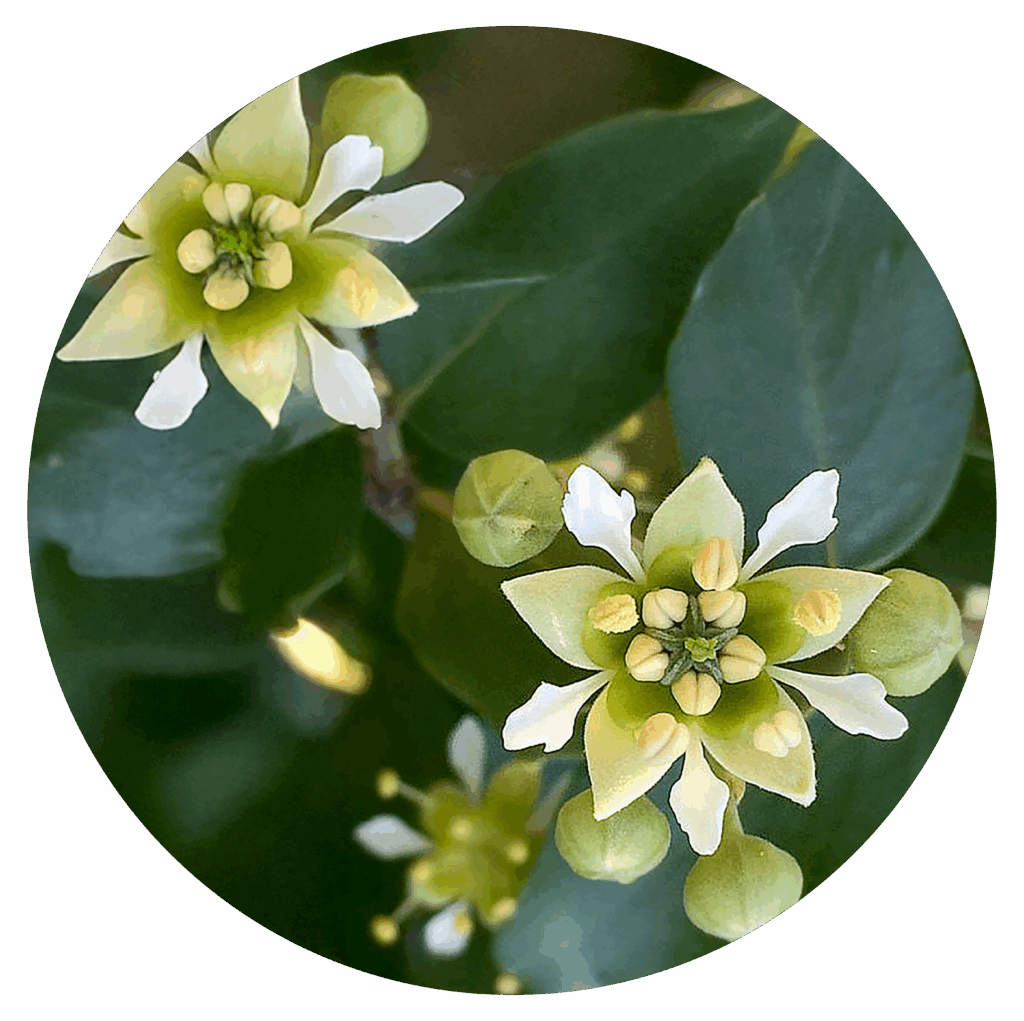
The system is based on a purified extract from Quillaja saponaria
Quillaja saponins provide:
- High-HLB functionality
- Non-ionic and anionic stabilization properties
- Efficient interfacial film formation
- Contribution to steric stabilization
This interfacial layer supports droplet resistance to aggregation, especially when combined with controlled homogenization.
For regulatory context on nano-scale systems:
- U.S. Food and Drug Administration provides nanotechnology guidance
- Nanoemulsions: an emerging novel technology for improving bioavailability
What These Findings Mean for Process Control
The evaluation demonstrates that:
- Stability is process-driven
- Droplet size reduction enhances durability
- Low PDI improves uniformity
- Homogenization increases resistance to stress
- Batch reproducibility improves with controlled processing
Novadrops nanoemulsion technology therefore represents a process-integrated stabilization platform rather than an ingredient-only approach.
Frequently Asked Questions
What is Novadrops nanoemulsion technology?
Novadrops nanoemulsion technology is a process-integrated emulsification system combining purified botanical emulsifiers with high-pressure homogenization to achieve stable oil-in-water nanoemulsions.
Why does particle size matter?
Smaller droplets reduce collision frequency and gravitational separation. Sub-300 nm droplets with low PDI improve structural stability.
What is PDI?
Polydispersity Index measures droplet size distribution uniformity. Lower PDI (<0.2) indicates more consistent particle size and improved stability.
Why is homogenization necessary?
High-pressure homogenization reduces droplet diameter and enhances emulsifier coverage at the oil-water interface, reducing phase separation risk.
Technical Reference
Plantae Labs R&D Department.
“Process-Driven Emulsion Development and Stability Assessment.”
August 8, 2025.
